What Every Restaurant Website Actually Needs (and What to Skip)
Restaurants are different from most small businesses. People don't research you for weeks before deciding. They check your website while they're already hungry, already in the car, or already arguing with their partner about where to eat. You have about 15 seconds to answer their questions or they're picking the next spot on Google.
The mistake most restaurant websites make is trying to be a magazine. Big photo carousels, elaborate animations, autoplay videos, paragraphs of chef bios. None of that matters when someone just wants to know if you're open and what's on the menu.
Here's what actually needs to be on a restaurant website, and what's wasting space.
What every restaurant site needs
The menu, easy to find. This is the #1 reason people visit a restaurant website. Make it impossible to miss. Either a clean HTML menu on its own page or a PDF that opens in one tap. Don't bury it under "Dine" or "Experience." Just call it "Menu" and put it in the top nav.
Hours and address, visible without scrolling. Someone on their phone deciding where to go in the next 30 minutes needs to see your hours and location immediately. Top of the page, no clicks required.
A tap-to-call phone number. Half of restaurant traffic is mobile. If your phone number isn't a clickable link on mobile, you're losing calls.
Reservation link if you take them. OpenTable, Resy, Tock, whatever you use. The button should be prominent and clearly labeled. Don't make people hunt for it.
Online ordering or delivery link. If you offer takeout, the order link should be as obvious as the reservation link. Link directly to your ordering platform (DoorDash, Toast, your own system).
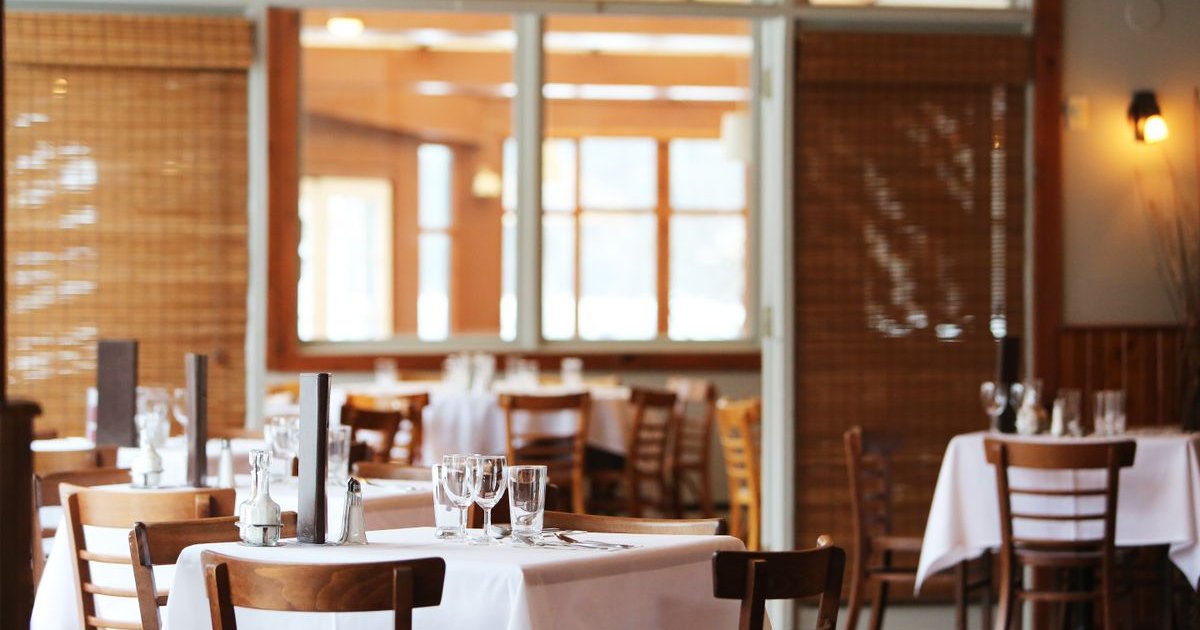
Real photos of the food and the space. Not stock images of generic burgers. Photos of your actual dishes from your actual kitchen. A few interior shots that show the vibe of the room. People want to know what they're walking into.
A way to find you. Embedded Google Map, address with a "Get Directions" link, and the neighborhood you're in.
What to skip
Long chef bios and origin stories. Save these for your About page if you must have them. Nobody chose a restaurant based on your founder's grandmother's recipes.
Massive hero videos that take 8 seconds to load. Cool on a desktop, brutal on mobile. Half your visitors will be gone before the video starts.
Image carousels of plates rotating every 3 seconds. Just show one good food photo and move on.
A blog you'll never update. An empty blog or one with three posts from 2022 looks worse than no blog at all. Skip it unless you'll commit to posting monthly.
Press mentions from 2018. If you're a brand new restaurant, you don't have press yet, and that's fine. If you're established, only feature recent and relevant press.
An email signup form for your newsletter. Almost nobody signs up. The space is better used for something practical.
The mobile reality
Over 80% of restaurant searches happen on phones. Your website lives or dies based on how it works on mobile. Pull out your phone right now and load your site. Then ask yourself:
Can I see your hours without scrolling? Can I tap your phone number to call? Can I find the menu in one tap? Can I make a reservation in two taps? Does the page load in under 3 seconds?
If the answer to any of these is no, your website is costing you customers every single day.
The about page nobody reads
A lot of restaurants pour effort into their About page. Hours of writing about the family history, the inspiration, the journey. Almost nobody reads it.
What actually works for restaurants: one paragraph about the concept, where you're located, what you serve, and what makes you different. Then move on. The food and the experience tell the story better than any wall of text ever will.
Reservations and online ordering matter more than design
A beautifully designed restaurant website that doesn't connect to OpenTable or Toast is less useful than an ugly one that does. The infrastructure matters more than the aesthetics.
Make sure your reservation system is integrated, your online ordering link goes to a working order page, and any forms (private events, catering inquiries, contact) actually deliver to an inbox you check.
What it costs
A professional restaurant website should run somewhere between $800 and $2,000 depending on complexity. Most restaurants don't need anything more than a 5-7 page site with the menu, hours, location, reservations, online ordering, and contact info. Anything more is usually overengineering.
Compare that to the value of even one booked table per week that you would have lost to a competitor with a better website. The site pays for itself in the first month.
The bottom line
Your restaurant website has two jobs: tell people what you serve and make it easy for them to decide to come. Everything on the page should serve one of those two goals. If something doesn't, cut it.
The best restaurant websites aren't the prettiest. They're the ones that answer every question a potential customer might have before they think to ask it.
Aralo Studio builds websites for restaurants and small businesses in the Treasure Valley and well beyond it. Wherever your restaurant is, if it needs a professional online presence, get in touch.